
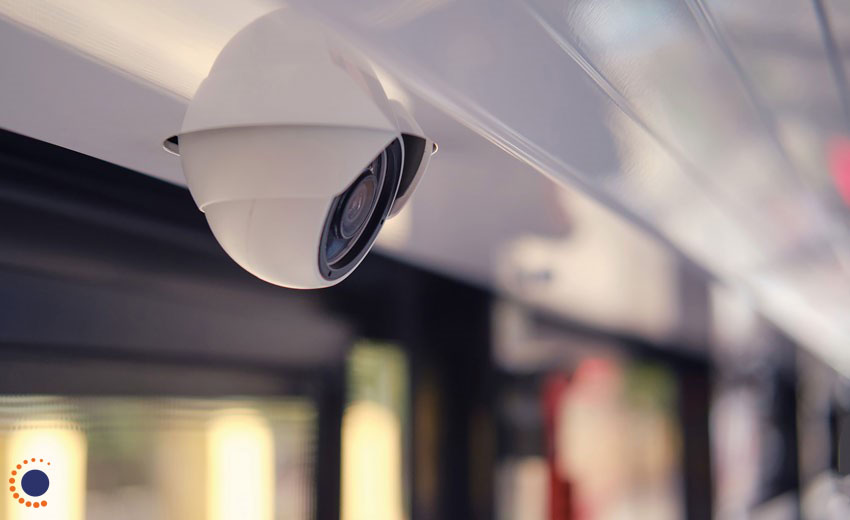
Video analytics have become an integral part of video surveillance systems across industries. In the field of public transportation, the integration and inclusion of video analytics has been a bit slower due to the challenges associated with their installation and deployment. However, more and more operators are considering the possibility of using analytics for proactive security and business intelligence.
But there are some very good practices that can be followed when implementing video analytics solutions for public transportation systems. This article interviews three industry experts and asks them to share their thoughts on how installers and customers can get the most out of their vehicle-mounted analytics solutions.
One of the most important issues that always comes up is the precise and appropriate definition of what the operator’s needs and ultimate goals are. What do you want to achieve? Is video analytics the best tool to achieve this? If so, what tool(s) should be integrated into the system? The worst enemy of video analytics is the belief that “one tool fits all.”
The “we’ll install cameras and then see what we get with VCA” mentality is the ultimate killer of video content and analytics! Careful planning and defining expectations and specifications are key to implementing a successful video analytics system.
The use of video analytics is significantly enhanced by the use of AI. AI is not something that is immediately obvious or “makes a lot of noise.” This technology is a deep mechanism that makes video analytics incredibly powerful and leverages these analytics as an important and reliable component.
Above all, you need to make sure that the product you choose meets your and your customers’ needs, without being overly influenced by terms like “AI” or “deep learning.” The best solution is still the one that solves your customers’ problems.
Another important point to consider is the environmental conditions and the suitability of using these products according to these conditions. In addition, to complete this whole plan, camera resource management is essential for efficient operations on site.
Before starting the project and before planning your project, you need to be very clear about what you want to achieve. You need to define what data you want to extract from it?
For example, if your goal is to count the number of people on a train, plan the camera placement and equipment specifically for this purpose. You should not use existing cameras and existing systems, because often the camera placement may not be correct and the camera may not be suitable for this type of application.
Therefore, you usually have to install dedicated cameras for video analytics. Therefore, to have an ideal plan, you need to know in advance what you want to do.

The COVID-19 pandemic has also played a role in increasing demand. Equipment on vehicles is not something that can be decided or installed in a week or a month, as there are several limitations to the process, even if the process has been somewhat simplified for equipment on the ground. But new questions are being raised that are entirely related to COVID-19, for example, “mask detection” or “distance measurement”.
But in the longer term, rail operators and transport agencies will certainly want to dynamically upgrade their security and safety policies to restore people’s confidence and trust in how their agency is dealing with the pandemic.
Live streaming in carriages, passenger counting and crowd management are in the spotlight. Additionally, TFTs and LCDs, both indoor and outdoor, and on-board, can be equipped with scheduled PSAs, live health reports, and safety and health instructions for drivers, and the data obtained in real time can be presented in the form of intelligent graphics; with the help of these designs, drivers can make informed decisions about which trains and buses to prepare.
People are looking for technology tools that will help them meet regulatory requirements to get back to business. These tools include creating health plans and, above all, protecting their employees. When considering best practices during the COVID-19 pandemic, installers and customers need to ensure that the solution meets these needs.
Source: a&s magazine