
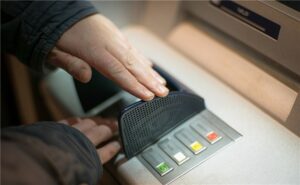
Currently, banks use cameras and security systems to prevent crime and protect their bank employees. According to the Bank Crime Statistics Report in 2016, about 4,251 robberies and thefts occurred in the United States.
To improve the security of your bank, you should consider the following: Replacing analog security cameras with network cameras or adding new surveillance cameras in the bank.
In this article, we have tried to first explain the importance of surveillance cameras in banks and then provide tips and suggestions to help you choose the best bank cameras.
Note: If you, as a consumer, are interested in knowing issues such as how long banks keep surveillance videos or whether cameras are present in all ATMs, refer directly to the last section of this article for information.
- The Importance of Network Cameras in Banks
- Three Main Points About Security Cameras in Banks
- Everything You Need to Know About Bank-Specific Cameras (For Bank Customers)
The Importance of Network Cameras in Banks
The benefits of using security cameras in banks include, but are not limited to, the following:
- Crime Prevention: Bank surveillance cameras help you detect any suspicious activity inside and outside the bank, so you can take effective measures to prevent crimes.
Help with crime investigations: In the event of bank robberies, ATM fraud, or check fraud, video footage captured by bank and ATM cameras will help you gather information and identify criminals. - Continuous monitoring: Bank security cameras protect your bank even outside of normal business hours. This feature can be very effective in ATMs that are accessible at all hours of the day.
- Easy and remote access: Whether you are at home on holidays or traveling, you can easily monitor your bank using your smartphone, laptop, or computer via the internet.
- Customer Satisfaction: The presence of security cameras in banks can significantly improve customers’ sense of security and help build a professional image of your bank.
Three Key Points about Bank Security Cameras
Bank security systems come in various sizes, shapes, and a long list of features, making it difficult to make a selection. In this section of the article, we highlight some important considerations you should make before anything else.
1. What Features to Look for in Security Cameras for Banks?
When selecting a security camera for banks, the unique capabilities of the camera should match your specific requirements.
Given the unique environment of banks, this section of the article outlines a list of mandatory and optional features for security cameras that will meet your needs.
Mandatory Features in Bank Alarm Systems:
- High Resolution: Security cameras in banks equipped with WDR (Wide Dynamic Range) technology provide stunning image quality. With such high-quality images, no employee fraudster will be able to escape detection by the bank’s cameras.
- Smart Motion Detection: If suspicious individuals enter the bank during non-business hours, you will receive intelligent alerts from the bank’s surveillance cameras.
- Excellent Night Vision: In case of theft at a bank, security systems with night vision, often placed in 24/7 ATMs, assist in identifying individuals’ faces.
- High Storage Capacity: Since some banks are required to store recorded video footage for extended periods, security systems with sufficient storage capacity can provide unlimited recording without compromising the quality of the recorded footage.
- H.264 Video Compression: Network cameras equipped with H.264 compression are ideal for banks as they are very efficient in terms of memory and bandwidth usage, occupying less memory and bandwidth for the recorded images.
Optional Features for Bank Security Cameras:
- PTZ Capability: PTZ (Pan, Tilt, Zoom) security cameras in banks offer features like panoramic coverage and excellent zooming capabilities, preventing wrongdoers from hiding.
- Easy Installation and Playback: Installing old security cameras in banks can be costly. In contrast, security systems with easy installation and playback capabilities can be set up quickly, even by those with no prior experience in system installation.
- Waterproof and Shockproof: For security cameras outside the bank or in ATMs, it is recommended to choose waterproof and shockproof network cameras that are resistant to harsh weather conditions and impacts.
2. What to Focus on in Bank Surveillance Cameras?
Given the large number of security cameras and various brands available for banks, it is important to focus on which cameras offer the highest level of security. This way, you can significantly reduce the risk of video footage being leaked from the bank’s security systems.
Additionally, to prevent tampering with security cameras at ATMs, ensure the cameras are positioned at a height that is inaccessible to individuals.
A Better Idea: In addition to the security cameras, having physical security measures like enhanced lighting, police officers, and other security personnel at the location can provide additional layers of protection for banks.
3. Where Exactly Should Security Cameras Be Placed in Banks?
Placing security cameras in unsuitable locations is equivalent to taking no security measures at all. To reduce the likelihood of banking crimes, it is essential to identify vulnerable areas in the bank.
The following are some key areas where security cameras in banks should be placed:
- ATMs connected to the bank
- Bank entrances and exits
- Employee workstations
- Bank lobby
- Safe deposit area
- Parking areas connected to the bank

Everything You Need to Know About Security Cameras in Banks
You may wonder: How long do banks store recorded video footage from their security cameras? Or how can you access the footage from ATM security cameras in the event of fraud? If you are interested in finding answers to these questions, continue reading.
Question 1: How Long Do Banks/ATMs Store Security Video Footage?
- Answer: According to industry standards, banks typically store video footage from security cameras in ATM areas for up to 6 months. However, this period can vary depending on the bank and the country you are in. For instance, banks in the UAE (and possibly other businesses) require a legal order to store video footage for up to one year.
Question 2: Do Bank Security Cameras Support Audio?
- Answer: Bank surveillance cameras typically do not support audio recording. On one hand, most countries do not permit audio recording in public places unless both parties are informed. On the other hand, cameras capable of recording audio from long distances tend to be quite expensive and have limited microphone ranges. Additionally, adding audio to videos requires more storage space, which increases costs.
Question 3: Do All ATMs Have Cameras?
- Answer: Private ATMs at gas stations and retail stores usually do not have cameras built into the systems. However, ATMs at larger banks or financial centers, such as Chase Bank and Bank of America, typically include these cameras. Banks that take security seriously are investing in surveillance cameras to capture any suspicious behavior. Some ATMs even have advanced cameras with facial recognition systems.
Question 4: How Can You Access Recorded Video Footage from ATM Security Cameras?
- Answer: In the case of being caught in a scam at an ATM or having a failed transaction, you might wonder how to access the recorded video footage. Typically, banks do not provide recorded video footage to individuals. To obtain it, you must report the incident to the police. Once the case is verified, the bank will show the recorded footage to the police officers. However, in India, following instructions from the Reserve Bank of India, customers can approach the bank directly to request video footage if they provide convincing reasons. All that is required is filling out a small request form.
Source: Reolink