
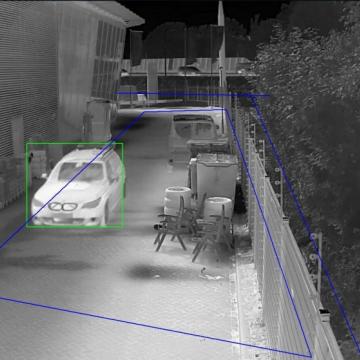
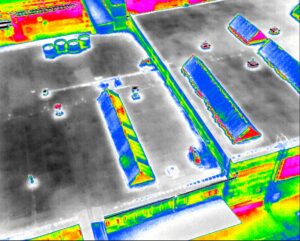
Among the many key factors that have driven the increased use of thermal cameras in various markets and applications, the wide range of lower pricing for these cameras has played the most significant role.
Using thermal cameras alongside other alarm sensors provides individuals with an interconnected network consisting of video tools specifically designed for intrusion detection, alarm verification, and the collection of evidence required for investigation and interrogation.
To have a comprehensive system for detecting unauthorized entry into perimeter areas, an advanced and multilayered solution is required. In this regard, it is important that the system be easy to use and, in addition to being capable of defending against attacks, also assist security personnel in predicting incidents before they occur.
One exemplary technology that is widely used in perimeter applications across all sectors is thermal imaging technology. By using thermal cameras, different facilities can identify intruders from long distances regardless of environmental factors or the amount of available light, thereby giving their personnel more time to respond.
Value of Thermal Cameras
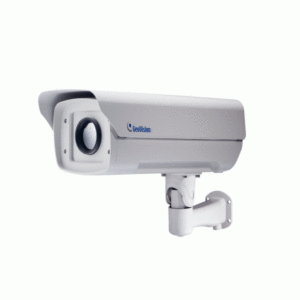
The value of thermal security cameras lies in their ability to produce images based on heat. The images produced by these cameras have no connection to the amount of light. This feature enables thermal cameras to capture clear images in total darkness and allows individuals to see beyond obstacles such as smoke, dust, and light-generated fog. For this reason, thermal imaging is one of the most efficient 24/7 surveillance technologies in today’s market.
Another advantage of thermal cameras is that they are considered cost-effective perimeter protection solutions. While old fiber optic systems and fence-climbing detection systems require extensive cabling, thermal cameras can be mounted on existing infrastructure, reducing installation time. In addition, thermal cameras eliminate the need for lighting poles and external spotlights under various lighting conditions such as the absence or shortage of light. All of these factors result in significant cost savings for both installers and end-users.
Fortunately, compared to past years, the price of thermal cameras has become relatively more reasonable in recent years. For several decades, thermal imaging was considered a commercial and military technology, accessible only to a limited number of people with the necessary budget for its implementation. However, high demand and large-scale production of these cameras have resulted in lower prices for thermal solutions, making this technology more accessible to essential infrastructure applications.
Review of Detection and Analytics
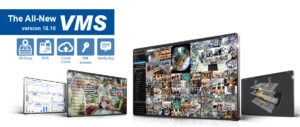
Using thermal cameras alongside other alarm sensors provides individuals with an interconnected network consisting of video tools specifically designed for intrusion detection, alarm verification, and the collection of evidence required for investigation and interrogation. By combining thermal cameras with advanced sensor control and video management software (VMS), facility managers can create a virtual “thermal fence” to prevent unauthorized entry.
Thermal fences use data gathered from sensors (such as RFID detection and radar) to detect and classify objects that enter a designated area without authorization. This analytical tool is used in applications such as airports and seaports—airports because of their coverage of long distances, and seaports because they cannot always rely on physical fences and barriers.
Today, thermal cameras incorporate military-grade analytics and provide rapid detection of people, vehicles, and other objects. The exceptional ability of thermal cameras to deliver high-contrast images, regardless of light or environmental conditions, makes them high-performance video analytics tools. This enables precise activation of tripwires, restricted zones, and thermal alarms, with far fewer false alerts.
Such solutions not only strengthen situational awareness but also act as a force multiplier, increasing coverage and monitoring efficiency with fewer physical personnel..
Use of Drones
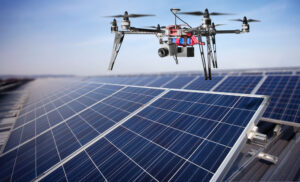
Another innovative way to leverage thermal technology for enhanced perimeter awareness is surveillance using thermal drone cameras. Employing remotely controlled drones equipped with thermal sensors extends surveillance beyond the reach of fixed cameras and allows security teams to inspect fences, towers, bridges, substations, and buildings.
Additionally, tripwires and virtual barriers set up by video analytics can activate drone flights via VMS software to track any suspicious activity. The security industry will undoubtedly see more widespread adoption of aerial devices with thermal sensors in the near future.
Industry experts unanimously believe that thermal cameras are the best option for 24-hour surveillance and intrusion detection. Furthermore, the high quality of thermal cameras available in the market, combined with the advancement of thermal technology, will continue to evolve, and in the coming years, thermal cameras will find even broader applications.
Six Advantages of Thermal Cameras
Thermal cameras are an inseparable part of effective protection for borders, airports, seaports, critical infrastructure, and many other areas.
Thermal cameras allow people to see what their eyes cannot: the invisible heat radiation emitted by all objects, regardless of the lighting conditions in the environment. Some of the greatest benefits of thermal imaging have been applied in the field of security. In many (if not all) large businesses across the country, thermal cameras have become an essential part of protection. In such cases, the need to generate high-quality images for continuous protection against potential intruders is of paramount importance.
- High performance in low-light conditions
When cameras are monitoring the perimeter of a building, they often have to deal with low-light conditions (for example, during nighttime hours). This is where thermal cameras truly shine. - No visual limitations
Visible cameras, which function much like human eyes, often struggle to see through visual obstacles that block reflected light. However, since thermal radiation can pass through such obstructions, thermal cameras can detect what visible cameras cannot. - Camouflage detection
In some cases, visual camouflage or the use of similar colors and patterns can easily deceive conventional cameras (which rely only on visible light). Camouflage of people and objects makes them inconspicuous and undetectable. - Fewer false alarms
Thermal cameras are often cost-effective for scenarios such as protecting a business because they help reduce the number of false alarms. This is achieved with advanced analytics software whose full performance depends on the high-contrast images and video provided by thermal cameras.
- Higher return on investment
Thermal cameras are considered a highly cost-effective option for many businesses seeking to ensure the best security and protection solutions available in the market. The overall cost of purchasing a thermal camera security system is generally much lower than other security systems. For example, because of their incredible range, fewer thermal cameras are required in projects compared to visible cameras. Moreover, most visible cameras cannot see beyond 200 meters at night and require additional lighting, making installation and maintenance more expensive. - Powerful analytics
Video surveillance analytics refers to the processing of digital images using pre-defined algorithms to automatically detect objects and activities of interest. Unfortunately, when visible cameras are used in conditions such as fluctuating light, low-light environments, or natural events like wind, rain, or insects (especially at night), issues of analytic reliability arise. The high-contrast video output of thermal cameras minimizes these problematic issues and, by using a single analytic system, allows for greater reliability and a significant reduction in false alarms.
Source: SecuritySales and SecurityMagazine