


Traffic management is an area where video analytics technology is making a significant impact; it helps traffic management officials understand where bottlenecks are, reduce congestion, reduce accident rates, and increase incident response times. Research firms list traffic monitoring and inspection as one of the key growth markets for video analytics, along with intrusion management, incident detection, and people/crowd counting.
Some video analytics features are more critical to traffic monitoring and inspection than others. This article explores five top video analytics features that customers need more than anything else in the traffic monitoring and inspection market.
1. Vehicle license plate recognition and search
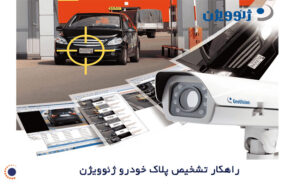
The ability to recognize license plates of vehicles moving at high speeds or in adverse lighting and weather conditions is arguably the most important application of video analytics technology in this market. Where human vision is limited, smart cameras enhanced with video analytics can detect speeding or control access systems on streets or parking lots, making traffic monitoring both reliable and efficient.
For example, a camera app designed to recognize and identify license plates of vehicles and moving cars can, in addition to being trained to recognize the sequence of letters on a license plate, also identify the country and region of origin.
2. Vehicle classification
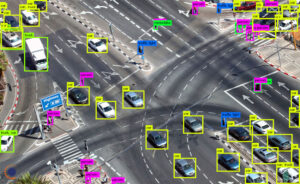
Identifying the make, model, color, and other characteristics of a vehicle is as important as recognizing license plate numbers. This has been a challenging area for many solutions, but recent advances in AI technology have improved the accuracy. Many solutions currently available on the market are able to recognize the type of vehicle (such as a truck, bus, car, etc.), its color, brand, and license plate number.
3. Detect security and other violations
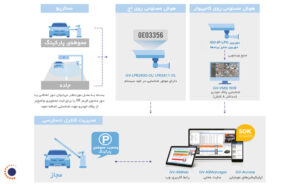
Smart cameras equipped with AI-powered video analytics have already revolutionized the way traffic is monitored and managed. Analytics that enable operators to respond to drivers driving the wrong way (lane crossing) and potential traffic jams (subject detection) in real time, such as detecting an accident or weather conditions, are particularly valuable. Analytics also give operators the opportunity to alert drivers to these road conditions through the use of roadside and highway warning signs.
Another important feature that customers are looking for is illegal parking detection. Illegal parking often adds to traffic congestion, and therefore immediate detection of illegally parked vehicles is important for smooth traffic flow.
4. Traffic optimization

Beyond creating safer traffic patterns, video analytics provide authorities with valuable data that is critical for identifying issues such as traffic congestion, accidents, and subject detection. Video analytics applications can provide lane-keeping capabilities for traffic analysis; in this capability, video analytics can detect whether vehicles are staying in their lanes or are frequently changing lanes, causing traffic jams.
Another application designed for anomaly detection can routinely analyze metrics such as subject classification, speed, and movement. This data can be used to identify why traffic flow may be disrupted or why it is not operating as efficiently as it should.
5. Video summarization
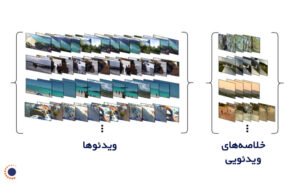
However, video summaries are another feature that customers are asking for. This allows them to take a quick look at the key events of a day (or any given time period) before deciding whether any of them require further attention. This is a popular feature that is popular not only with traffic customers, but also in markets such as retail; this video summary helps retail operators get an overview of the day’s activities.
Taken from a&s magazine