
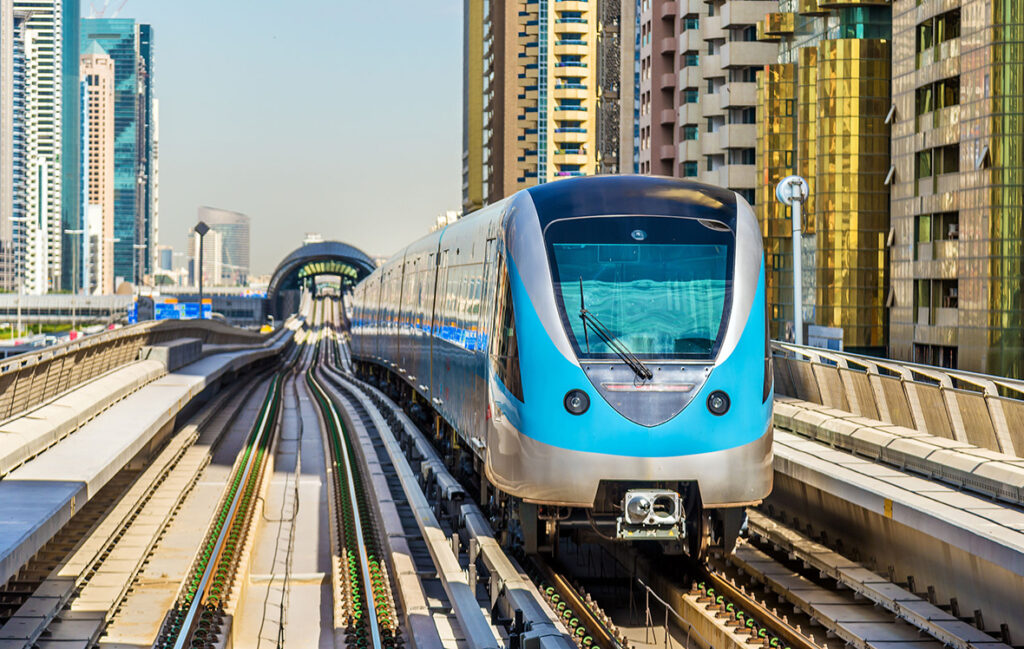
Rail transport is one of the first industries to embrace the Internet of Things and big data. Devices and sensors along the tracks and inside stations help operators improve situational awareness, keeping the rail system safe.
But more and more operators are relying on data to make the most of their business. Data collected from revolving doors at train stations and entrances, for example, can help operators reroute and re-route trains. Sensors that can detect temperature changes can activate air conditioning. These are just some of the ways operators can retain customers and generate more revenue.
Big data can significantly improve safety, which can quickly inject money into the economy and improve operations overall. The automation capabilities provided by this data reduce the possibility of human error. Rail operators will see improvements in reliability in many areas. By planning trips according to specific needs, customer service will be enhanced, and real-time information can help customers make better travel decisions.
One way this information can be best used is to help management reduce downtime and improve efficiency through optimized maintenance or alerting staff to an impending issue so they can address it before it happens. A good solution will anticipate impending issues and maintenance needs so that people can address them in advance so that existing assets remain serviceable and uptime is maximized. These solutions use advanced analytics that reveal hidden patterns in data to quickly and accurately identify root causes. Timed alerts will prompt maintenance teams to address issues in a cost-effective and planned manner during a planned outage. This enables metro and rail operators to repair and replace their assets at the best possible time.
Another major goal for rail operators today is to reduce rail congestion. Big data on peak-hour passengers, peak-traffic locations, and data collected from passenger travel behavior at station entrances, exits, and speed gates can help operators re-purpose trains or create relevant marketing strategies to redirect traffic to quieter times.
Inside the station, analytics such as queue management and traffic flow in different directions can help operators make the most of staff and make data-driven marketing decisions. Station managers can install video analytics on their systems to monitor traffic flow around the station, the number of people in line behind ticket barriers, or people waiting at ticket counters, for example. With this knowledge, station management can adjust and organize their staff in real time to ensure that customers are served as quickly as possible. With this level of data, stations can also compare traffic patterns over different time periods and plan their staffing accordingly. During busy periods of the year, such as Christmas, stations welcome any insight they can gain to ensure that everyone gets to their train safely and on time.
To maintain station facilities, data generated by temperature, humidity and carbon dioxide sensors all play a role. In the past, air conditioning systems had to be adjusted manually based on the number of people present. Using big data generated by various sensors, this process can be made more automated. For example, as more people enter a particular area, the carbon dioxide levels in that area increase, and a carbon dioxide sensor will detect this increase. This will turn on the HVAC system and bring the temperature to a more desirable level.
Learn more about your customers
Finally, big data from rail sensors can help operators better understand their customers. This way, they can come up with focused and targeted marketing strategies to increase revenue and provide a more personalized experience for their customers. There is also an opportunity for station operators to use cognitive computing capabilities to re-schedule trains, inform passengers about available options and choices, and provide real-time updates via SMS, social media, and other channels. According to some research, timely information, along with the presentation of different options, leads to higher customer satisfaction.
Now, operators can take data-driven personalization efforts a step further. It is now possible for the traveler to share his calendar with the system, and in this way the system will be aware of the traveler’s return time and scheduled meetings at the end of his trip.
By analyzing and interpreting this data, the cognitive system knows how to interact with the traveler in real time; suggesting a restaurant, an earlier train, or a secondary route, and suggesting a quiet place to meet up once the traveler reaches their destination.
Source: a&s Magazine